Innovative Transportation
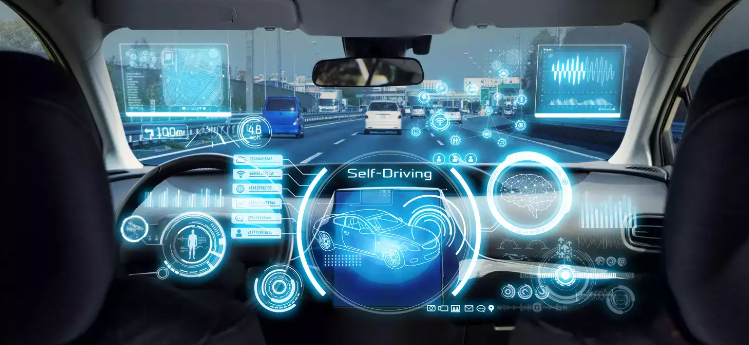
Connected and Autonomous Vehicle (CAV) technologies are transforming the way we travel ─ driving significant safety and economic growth advancements across Texas. These emerging technologies are improving mobility with deployments in major Texas cities and playing a critical role in the movement of freight to support supply chains.
Upcoming Task Force meeting
December 3, 2026
9:00 AM - 12:15 PM Central Standard Time
How can the CAV Task Force support a safe transportation system in Texas?

The task force serves as the primary coordination and information source for CAV technology and deployments in Texas. By championing Texas as a leader, the task force continues to advance the state’s preparation and integration of technologies to enhance life for all Texans.
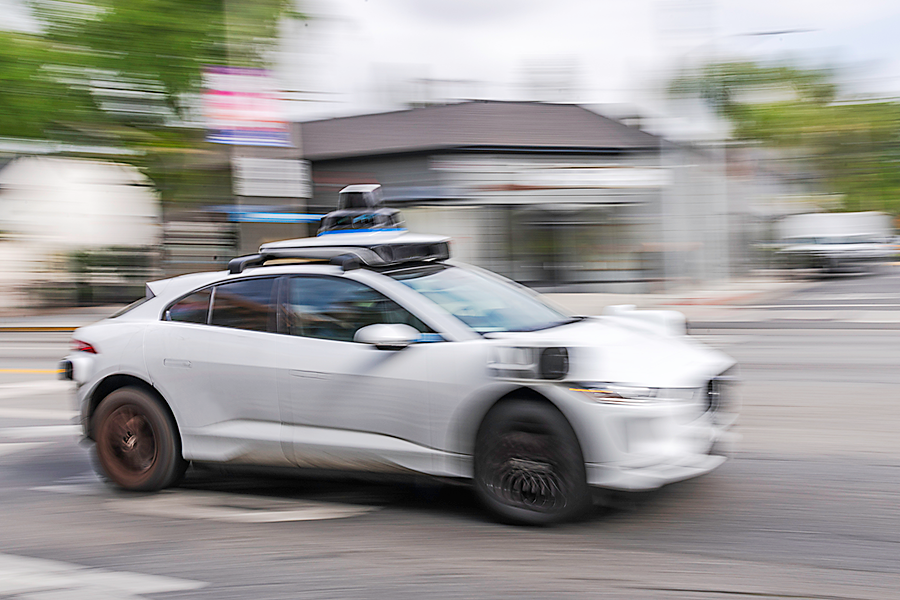
CAV deployments in Texas
Frequently asked questions
The CAV Task Force is composed of members from the Texas Department of Transportation, local governments and transportation officials throughout Texas, community members and industry anticipating significant changes to Texas roadways in the coming decades. Each of these stakeholders is necessary to better ensure all areas of CAV are thoroughly considered as we prepare Texas for the future.
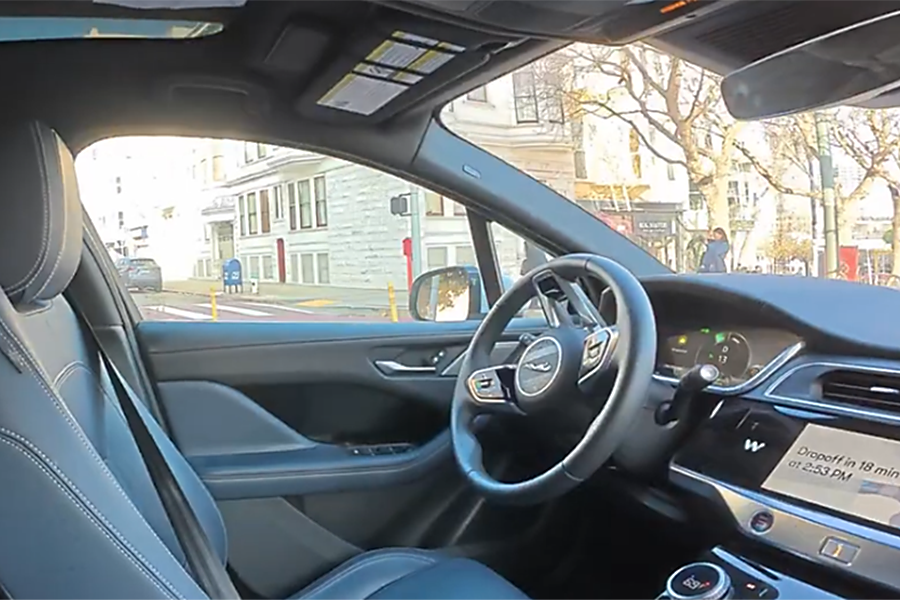
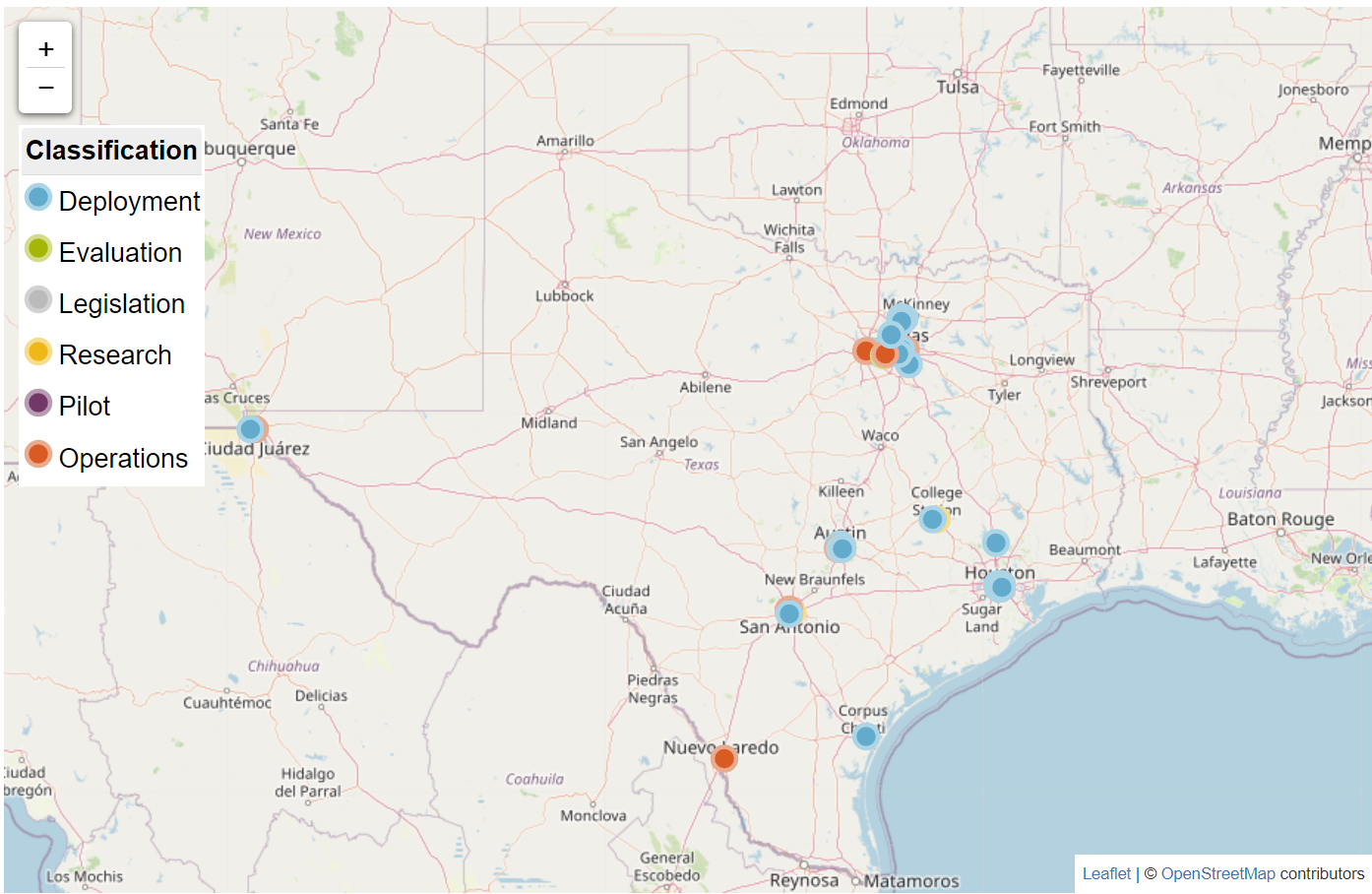
CAVs are already here in Texas. If you drive in certain parts of Texas you may see a connected and autonomous vehicles operating on Texas roadways. However, widespread adoption will likely occur over the next few decades. TxDOT is working to provide a safe operating environment now, and as adoption increases, Texas’ efforts to improve and maintain a safe operating environment will increase. See our autonomous vehicle deployment map.
You can see the CAV efforts in Texas on our project map.
TxDOT and all local governments in Texas care about your safety. TxDOT’s Vision Zero is at the core of all our processes. We also recognize the opportunity for economic growth and improving the transportation experience for all Texans. Due to the innovation of leading-edge private industries, changes to the transportation system are coming — and we are going to be ready for them!
- The concepts aren’t limited to cars and trucks. They apply to aviation (planes and drones), rail, maritime, agriculture, etc.
- An autonomous vehicle can drive itself to a destination without human intervention in some operating environments. This “autopilot” operation relies on sensors and technologies but might be limited to specific external conditions such as along designated freeway segments in good weather conditions. These vehicles make their own decisions independently of the driver but could require human intervention and operation outside those environments.
- An automated vehicle is one that has independent operation for some driving tasks such as adaptive cruise control, automatic breaking, and automatic high beam light adjustment. Many vehicles are being sold with these features today. These vehicles do not have the intelligence or the integration of automated features to drive independently without human assistance with the driving task.
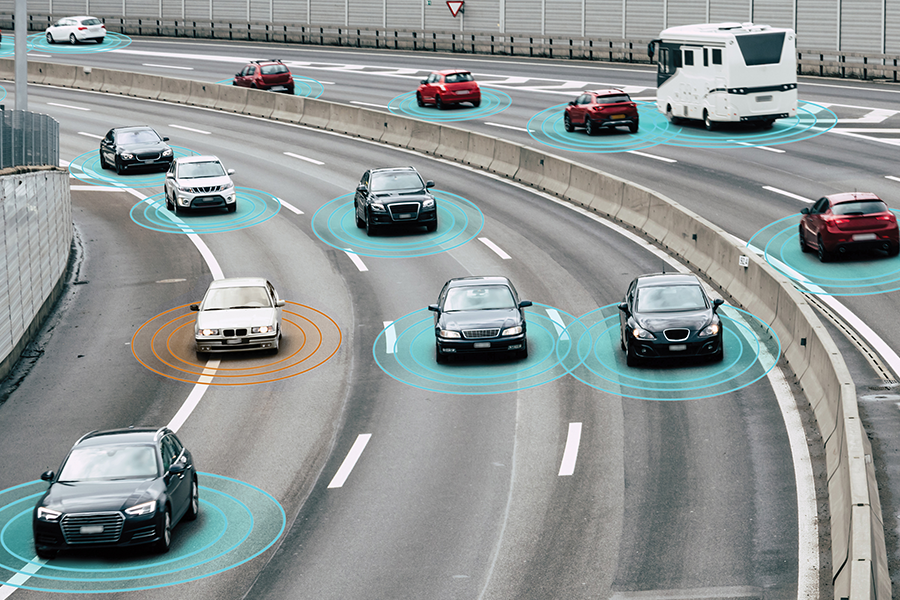
- A connected vehicle sends and receives electronic information with other systems outside the vehicle. These systems could be cars, buses, trucks, trains, roads, traffic signals, and other infrastructure. By connecting vehicles and any other connected devices, they can receive alerts about dangerous situations, traffic delays, and other conditions along their driving path.
- Cooperative driving is when several vehicles exchange information and use automated technologies to adapt to their surrounding environment to achieve a set of goals. Those goals could be to drive with minimal stops and delays, to reduce fuel and energy consumption, or to minimize environmental impact.
- View the different levels of vehicle automations ( NHTSA).
Some older Americans and people with disabilities are able to drive today by adapting or modifying their vehicles to meet their specific needs. Vehicles with partial and full automation could offer new mobility options to many more people, helping them to live independently or to better connect them to jobs, education and training, and other opportunities. (Source: Automated Vehicle Safety | NHTSA)
Resources
- National Highway Traffic Safety Administration (NHTSA)
- NHTSA Automated Vehicles for Safety
- NHTSA Levels of Automation
- U.S. Department of Transportation Automated Vehicles Program
- U.S. Department of Transportation New and Emerging Technologies
- ITS America V2X Connected Transportation
- Cooperative Automated Transportation (CAT) Coalition